BIS Certification for Startups - Why It's Essential Before Launching Products in India
Date: September 15, 2025 | Author: SS Global Services
Introduction
When a startup launches a product in India, the first priority is often market research, branding, and distribution. But many new businesses overlook one of the most critical aspects of product entry - BIS Certification. The Bureau of Indian Standards (BIS), established under the BIS Act, ensures that products meet India's safety, quality, and performance standards. For startups, this certification is not just a government formality; it is a gateway to credibility, trust, and legal approval to sell in the Indian market.
Without BIS certification, products in regulated categories cannot be sold in India. Authorities can seize uncertified goods, impose penalties, and restrict market access, which can be devastating for a new business. On the other hand, having a BIS mark or CRS registration reassures customers that your product is tested, safe, and reliable. For startups that are still building their name in a competitive market, this kind of trust is invaluable.
"For startups, BIS certification is more than compliance - it's a mark of trust that builds credibility and ensures a smooth market entry in India."
What is BIS Certification?
The Bureau of Indian Standards (BIS) is the national standards organization of India, functioning under the Ministry of Consumer Affairs, Food and Public Distribution. BIS plays a vital role in ensuring that products sold in India meet strict safety, quality, and reliability standards.
BIS Certification is a mark of trust that confirms a product complies with the relevant Indian Standards (IS). It assures consumers that the product has undergone rigorous testing and evaluation, making it safe for use. For businesses and startups, BIS certification is not just a regulatory requirement - it is also a way to build credibility, gain customer confidence, and enter the Indian market smoothly.
Additionally, BIS Certification helps in preventing substandard products from reaching the market, protecting both consumers and the reputation of brands that comply with Indian standards. It is widely recognized across industries, from electronics and IT products to food, steel, and household appliances, making it an essential step for any manufacturer or importer in India.
Different Types of BIS Certification
There are four main types of BIS certifications:
- 1. BIS CRS (Compulsory Registration Scheme):
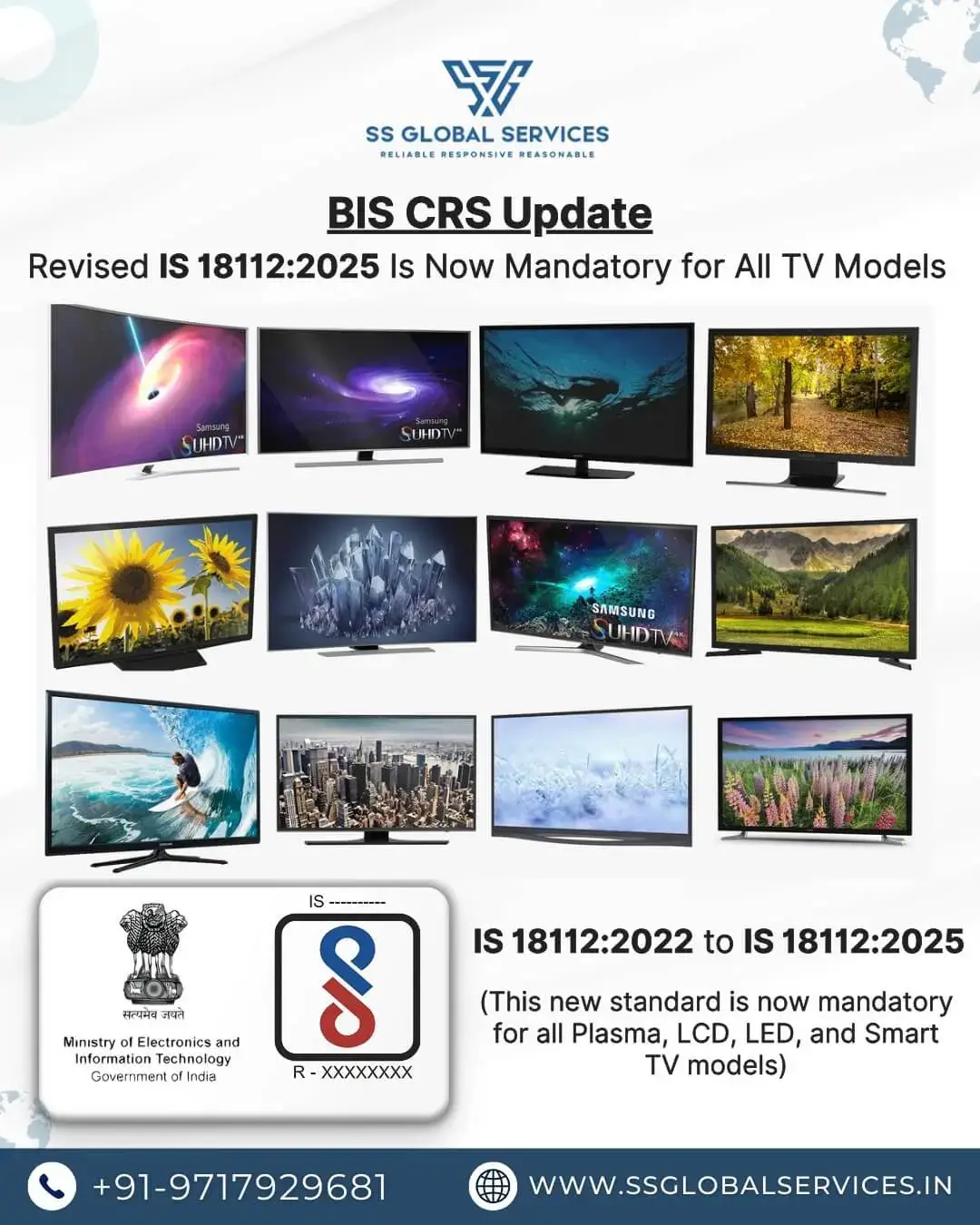
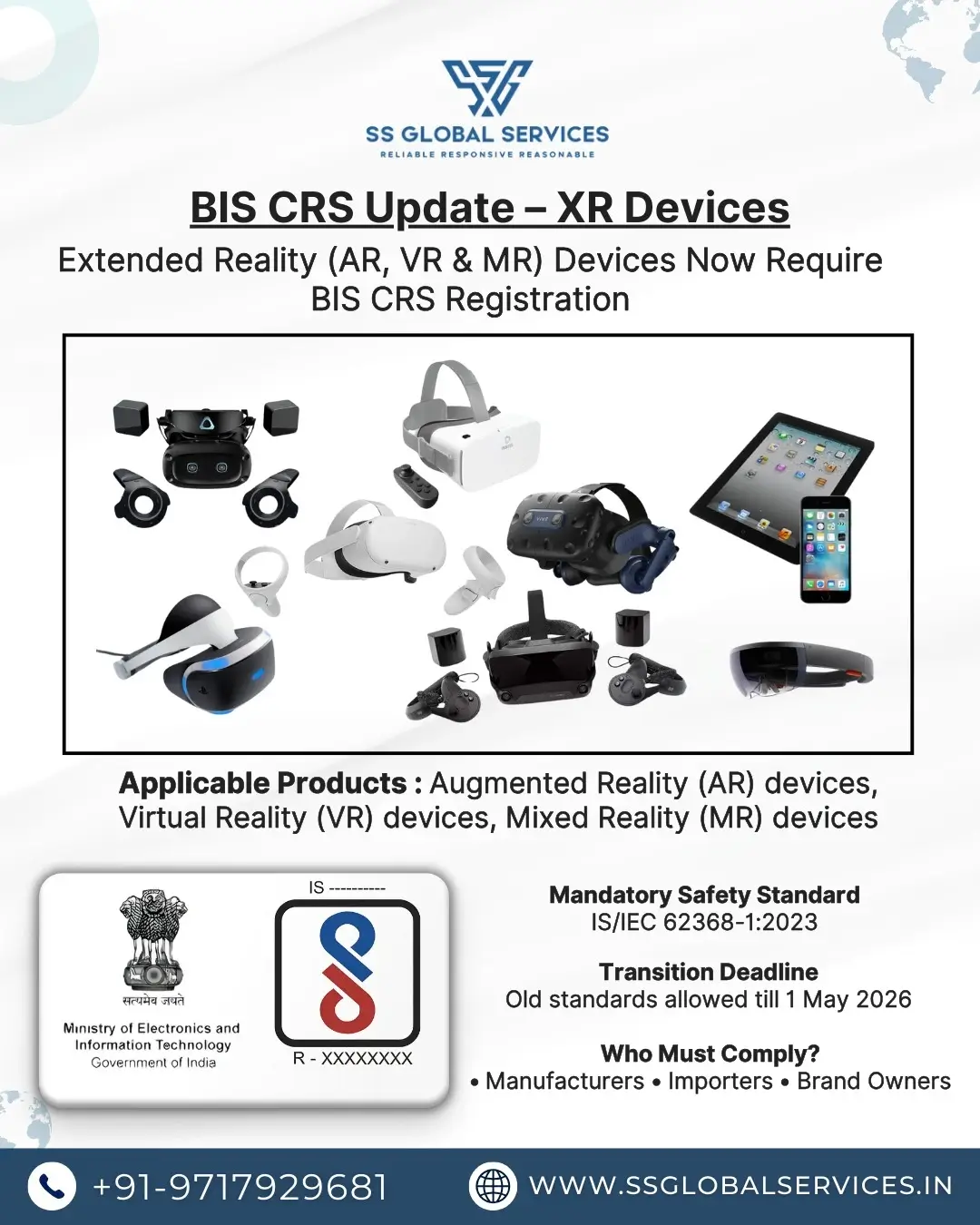
BIS CRS applies mainly to electronic and IT products like smartphones, laptops, LED lights, and power banks. Products must be tested in BIS-recognized labs and registered before being sold in India. For startups launching electronic devices, CRS registration is mandatory to ensure legal compliance and consumer trust.
- 2. BIS Scheme-X (For Importers and Traders):
Scheme-X is meant for Indian importers and traders selling foreign-manufactured products in India. Here, the importer applies for BIS approval on behalf of the overseas manufacturer. Startups that import and rebrand products must use this scheme to meet Indian safety and quality standards.
- BIS ISI Certification for Indian Manufacturers:
The ISI mark is required for several regulated products like cement, steel, appliances, and packaged water. Indian startups in manufacturing must obtain this certification, which involves product testing and factory inspection. It helps new brands gain credibility and smooth entry into the Indian market.
- 4. BIS ISI Certification for Foreign Manufacturers (FMCS):
Foreign startups or manufacturers selling in India must obtain certification under the FMCS scheme. This requires appointing an Indian representative, product testing, and factory inspection. Without FMCS approval, foreign-made regulated products cannot be legally sold in India.
Why Startups Need BIS Certification Before Launching Products
For a startup, reputation is everything. Unlike established brands, a new company doesn't yet have the advantage of customer loyalty. BIS certification acts as an official guarantee that your product is safe for public use, reducing hesitation in buyers' minds. It also helps in entering larger markets such as retail chains, e-commerce platforms, and government tenders, many of which demand BIS-certified products
- 1. Legal Requirement:
Many products in India cannot be sold without BIS approval. Startups entering categories like electronics, appliances, steel, or food products must secure certification to avoid government action or penalties.
- 2. Builds Customer Trust:
For a startup, credibility is everything. A BIS Mark or CRS Registration acts as proof that the product is safe and reliable, making it easier to convince customers, retailers, and distributors.
- 3. Access to Indian Market:
Without BIS Certification, your product may be stopped at customs or barred from sale in India. For importers and startups, it's an essential approval for market entry.
- 4. Protects Against Legal Issues:
Selling uncertified products can result in fines, product seizures, or even legal action from Indian authorities. BIS certification keeps startups safe from such risks.
- 5. Enhances Brand Image:
Displaying the BIS Mark or CRS registration number gives startups an edge over competitors by signaling quality assurance and compliance with Indian laws.
Additionally, compliance ensures that your business avoids future roadblocks. Selling non-certified goods can result in sudden legal troubles, costly recalls, or outright bans. For a startup working with limited resources, such setbacks can be fatal. By securing BIS certification before launch, you can focus entirely on growth, innovation, and expansion without fearing penalties.
Which Startups Need BIS Certification
BIS Certification is mandatory for startups in the following sectors:
- Electronics & IT Products: Electronics & IT Products (mobile phones, smart watches, LED lights, laptops, CCTV, USB chargers, etc.) under CRS Scheme.
- Food & Packaged Goods: Food & Packaged Goods (edible oils, milk products, packaged drinking water, infant food, etc.) requiring ISI Mark.
- Industrial Products: Industrial Products (cement, steel, chemicals, pressure cookers, electrical appliances, etc.) requiring ISI Mark.
Note: For foreign startups, BIS registration requires appointing an Authorized Indian Representative (AIR) to liaise with BIS.
Why BIS Certification Is Crucial for New Businesses in India
For any startup or newly launched brand, BIS certification for new businesses plays a vital role in building trust and ensuring smooth market entry. When a company is new, customers, distributors, and investors look for strong indicators of product safety and quality - and the BIS mark is one of the most recognized symbols of credibility in India.
New businesses often struggle to gain immediate acceptance in a competitive market. BIS certification acts as a confidence booster by proving that the product meets officially tested Indian Standards. Whether you are introducing electronics, home appliances, packaged goods, or industrial products, BIS compliance helps you avoid legal challenges, get faster approvals from e-commerce platforms, and expand into large retail networks.
Most importantly, BIS certification for new businesses ensures your products are not blocked at customs, rejected by distributors, or flagged by authorities. It creates a strong foundation for scaling your brand while maintaining consumer trust, safety, and long-term reliability.
How Startups Can Get BIS Certified
The certification process begins with identifying the correct scheme for your product. Once that is done, an application is filed with BIS, supported by documents such as company registration papers, product details, and test reports. Products must be tested in BIS-approved laboratories, and in the case of ISI or FMCS, the factory itself is inspected by BIS officials.
After successful review, BIS issues a license or registration number, which must be displayed on the product packaging. This mark becomes the official proof of quality and safety. While the CRS process may take around 4–6 weeks, ISI and FMCS certifications can take longer, often stretching up to several months due to inspections and verifications. For startups, planning this certification process in advance is crucial to avoid launch delays.
Process of Getting BIS Certification for Startups
The process depends on the type of product and certification scheme (ISI or CRS). Broadly, it includes:
- Identify Applicable Standard : Determine which Indian Standard (IS code) applies to your product.
- Select the Scheme: ISI Mark (for mandatory listed items) or CRS (for electronics/IT).
- Testing in BIS-Recognized Lab: Product samples must be tested in a BIS-approved laboratory.
- Application Submission: Submit an online application on the BIS portal along with test reports, documents, and fees.
- Verification & Approval: BIS reviews the application and grants certification if all requirements are met.
Note: Startups dealing with imported goods in these categories also need BIS approval before launching in India.
Consequences of Launching Products Without BIS Certification
Startups that skip BIS compliance face serious risks:
- Seizure of goods at ports or warehouses.
- Heavy fines and penalties from the government.
- Damage to brand reputation.
- Loss of investor and customer trust.
Benefits of BIS Certification for Startups
- Smooth market entry in India.
- Increased consumer confidence.
- Legal protection and compliance.
- Competitive advantage over uncertified brands.
- Stronger brand credibility.
Frequently Asked Questions (FAQs)
Conclusion
For startups in India, BIS certification is not an optional step - it is the foundation of a successful product launch. It provides legal clearance, builds customer confidence, and opens doors to wider distribution networks. More importantly, it protects a young business from the risk of penalties, product recalls, or market restrictions.
Whether you are an Indian manufacturer, an importer, or a foreign startup entering India, choosing the right BIS scheme - CRS, Scheme-X, ISI, or FMCS - ensures compliance and credibility. Startups that secure BIS certification early position themselves as trustworthy brands and gain a competitive edge in India's fast-growing consumer market.
Launching without BIS is like building a house without a foundation - risky, unstable, and short-lived. With certification in place, startups can focus on what truly matters: innovation, growth, and delivering quality products to customers across India.

Leave a Comment