- WPC-ETA Overview
- What is WPC ETA Certification?
- Types of WPC Approval
- Who Needs WPC-ETA?
- Certification Process
- Basic Requirements
- Documents Required
- RF Test Report
- Products Under WPC
- Scope of WPC-ETA
- De-Licensed Frequency Bands
- Why Choose SS Global Services
- Frequently Asked Questions (FAQ)
Overview of WPC Certification
WPC Certification in India is a mandatory regulatory approval issued by the Wireless Planning & Coordination (WPC) Wing under the Ministry of Communications. It ensures that wireless and RF-enabled devices comply with national frequency regulations and operate within approved spectrum bands. This certification is essential for products using technologies such as Wi-Fi, Bluetooth, RFID, and other wireless communication systems, making it a key requirement for market entry in India.
The primary objective of WPC approval is to regulate the use of radio frequency spectrum and prevent interference between wireless devices. By enforcing technical compliance standards, WPC certification helps maintain seamless communication, network stability, and user safety. It also ensures that all wireless devices function efficiently without disrupting existing communication networks.
Obtaining WPC certification in India is mandatory for manufacturers, importers, and sellers of wireless products. Without this approval, products cannot be legally sold or distributed in the Indian market. The certification process typically involves RF testing, verification of frequency bands, and submission of technical documents to the WPC authority for approval.
There are different types of WPC approvals depending on the product and frequency usage. The most common is Equipment Type Approval (ETA), which is required for license-exempt wireless devices operating in de-licensed frequency bands. For devices using restricted frequencies, additional licensing may be required, making it important to identify the correct certification path.
At SS Global Services, we provide end-to-end WPC certification consultancy to help businesses achieve fast and hassle-free approval. Our expert team assists with documentation, coordination, and compliance, ensuring a smooth certification process and quicker access to the Indian market.
Get WPC ETA Approval NowWhat is WPC-ETA Certification?
WPC ETA (Equipment Type Approval) Certification is a mandatory regulatory approval required for wireless and RF-enabled devices before they can be imported, sold, or distributed in India. It is issued by the Wireless Planning & Coordination (WPC) Wing under the Ministry of Communications and ensures that the device operates within permitted frequency bands without causing interference to other wireless systems.
This certification applies to a wide range of products such as Bluetooth devices, Wi-Fi equipment, RFID systems, IoT devices, smart gadgets, and other radio frequency-based electronics. It confirms that the product meets Indian technical standards, safety requirements, and spectrum regulations, making it legally eligible for sale in the Indian market.
Types of WPC Approval
WPC certification is broadly categorized into multiple license types depending on the nature of usage and business requirements. The major types include Equipment Type Approval (ETA), Import License, Dealer Possession License, and Network License.
Non-network licenses are issued for businesses dealing with wireless products without operating communication networks, while network licenses are granted to telecom and service providers. Experimental licenses are also available for research and testing purposes.
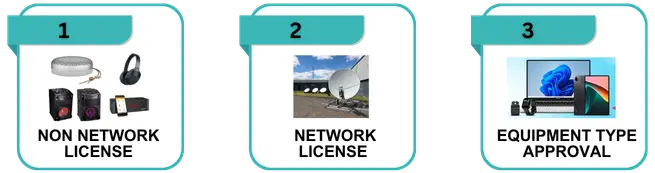
Wireless Planning and Coordination certification (WPC certification) is of 3 types, which are as follows:
1. Non-Network Licence
2. Network Licence
3. Equipment Type Approval (ETA)
1. Non-Network Licence
A Non-Network Licence is issued to businesses or individuals who deal with wireless equipment but do not operate telecom networks. This licence is commonly required by importers, traders, and distributors of wireless products such as Bluetooth devices, RF equipment, and similar technologies.
This category is further divided into three types: Import Licence, Dealer Possession Licence, and Non-Dealer Possession Licence. It allows organizations to legally sell, purchase, or import wireless devices in India while ensuring compliance with regulatory norms.
1. Import Licence
The Import Licence under WPC is required for businesses that intend to import wireless products into India. This licence grants permission to bring RF-enabled or wireless equipment into the Indian market and distribute it legally.
It is especially important for foreign manufacturers and importers dealing in products like Wi-Fi devices, Bluetooth gadgets, and RFID systems. Without a valid import licence, goods may be held or rejected by customs authorities.
2. Dealer Possession Licence
The Dealer Possession Licence is issued to distributors and dealers who handle the sale and distribution of wireless equipment in India. This licence ensures that all wireless products being sold comply with WPC regulations.
It is mandatory for businesses engaged in trading or supplying RF-enabled devices to ensure legal compliance and avoid regulatory penalties.
3. Non-Dealer Possession Licence
The Non-Dealer Possession Licence is granted to individuals or organizations that use wireless equipment but are not directly involved in selling or distributing such devices. This licence is applicable in cases where wireless equipment is used internally for operational or functional purposes.
It ensures that even non-commercial users of wireless devices remain compliant with WPC regulations.
2. Network Licence
A Network Licence is issued to companies that utilize radio frequency spectrum to provide communication services such as telecom networks, cable broadcasting, and DTH services. This licence is mandatory for organizations operating large-scale communication infrastructure.
It allows service providers to use restricted frequency bands allocated by the government while ensuring efficient and interference-free communication systems.
1. Internet Service Provider (ISP) Licence
The ISP Licence is required for businesses that intend to provide internet services in India. This licence is issued by the Department of Telecommunications (DoT) and is essential for offering broadband, leased line, or wireless internet services.
Obtaining an ISP licence ensures that the service provider operates within the legal telecom framework and complies with national internet regulations.
2. Experimental Licence
An Experimental Licence is granted to organizations or individuals who wish to conduct research, testing, or experimentation using wireless technologies. This licence is mainly used by R&D institutions, manufacturers, and technology developers.
It allows controlled use of radio frequencies for innovation purposes while ensuring that there is no interference with existing communication systems.
3. Equipment Type Approval (ETA) – WPC ETA Certificate
Equipment Type Approval (ETA) is a mandatory certification issued by the Wireless Planning & Coordination (WPC) Wing for wireless and RF-enabled devices operating in de-licensed frequency bands in India. It is required before importing or manufacturing products such as Bluetooth devices, Wi-Fi equipment, mobile phones, RFID systems, and other wireless electronics. ETA certification ensures that the device complies with Indian frequency regulations and does not cause interference with other communication systems.
For products manufactured in India using pre-approved RF modules without any modification, separate ETA approval may not be required. However, if the product is imported or uses a new or modified RF module, obtaining a WPC ETA certificate is compulsory before entering the Indian market.
WPC ETA certification can be obtained through a self-declaration process if the product operates within de-licensed frequency bands and is exempted under DGFT import policies. Common examples include smartphones, laptops, smartwatches, wireless headphones, printers, keyboards, cameras, and similar devices.
Who Needs WPC ETA Certification?
WPC ETA certification is required for any individual or business involved in manufacturing, importing, selling, or distributing wireless and RF-enabled devices in India. It is mandatory for products that operate on radio frequency technologies such as Wi-Fi, Bluetooth, RFID, and other wireless communication systems. Ensuring WPC ETA approval is essential to legally launch and sell such products in the Indian market.
This certification is primarily needed by foreign manufacturers importing wireless products into India, Indian importers dealing in RF-enabled devices, and domestic manufacturers producing wireless equipment. Additionally, e-commerce sellers, distributors, and traders handling such products must ensure that the devices they sell are WPC ETA approved to avoid legal issues.

Process of WPC ETA (Equipment Type Approval) Certification
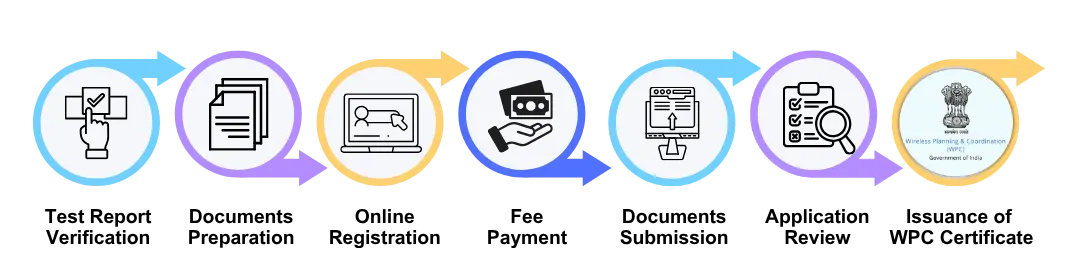
The process of obtaining WPC ETA certification in India involves multiple steps to ensure that wireless devices comply with regulatory and frequency standards. Each stage is important for smooth approval and successful certification.
Step-by-Step Process:
Step 1: EN Standard & RF Test Report Verification
- The process begins with checking the EN standards and analyzing the frequency range mentioned in the RF test report.
- If the device operates within de-licensed frequency bands, it may qualify for self-declaration.
Step 2: Document Preparation
- After verification, all required documents are collected and organized.
- These include RF test reports, authorization letters, and technical specifications.
Step 3: Online Application Registration
- The applicant must create login credentials on the official Saral Sanchar portal.
- Submit the application through the official Saral Sanchar portal.
Step 4: Payment of Government Fees
- The applicable government fee for WPC ETA certification is paid online.
- Payment is made as part of the application process.
Step 5: Submission of Documents
- All required documents are submitted to WPC authorities.
- Submission can be done through online or offline mode, depending on the license type.
Step 6: Application Review & Verification
- WPC officials examine the submitted documents and RF test reports.
- If any discrepancies are found, additional information or clarification may be requested.
Step 7: Issuance of WPC ETA Certificate
- Once all requirements are fulfilled and verified, the WPC authority grants the Equipment Type Approval (ETA) Certificate.
- The certificate allows legal import, sale, and distribution of wireless products in India.
Basic Requirements for WPC ETA Approval and Import Licence
To obtain WPC ETA approval and an import licence in India, applicants must fulfill specific regulatory requirements based on their business type and operational presence. These requirements are set by the Wireless Planning & Coordination (WPC) Wing to ensure that wireless and RF-enabled devices comply with Indian standards. Whether you are a domestic manufacturer or a foreign entity, understanding these requirements is essential for smooth certification and hassle-free market entry.
For foreign manufacturers, the process involves appointing an Authorized Indian Representative (AIR) who will handle all regulatory communication and documentation with WPC authorities. If the manufacturer already has a registered office in India, that entity can act as the AIR. For import licensing, the same AIR must be used as mentioned in the ETA application. On the other hand, Indian manufacturers can directly apply for WPC ETA approval and import licence without appointing an AIR, making the process comparatively simpler.
Key Requirements:
- Foreign manufacturers must appoint an Authorized Indian Representative (AIR) if they do not have a presence in India
- If a foreign company has a liaison or branch office in India, it can act as the AIR
- The same AIR must be used for both WPC ETA approval and import licence
- AIR is responsible for documentation, application filing, and coordination with WPC authorities
- Domestic (Indian) manufacturers can directly apply for the WPC ETA and import licence
- No AIR is required for Indian-based manufacturers
Documents Required for WPC Licence / ETA Certificate
To obtain WPC ETA approval in India, applicants must submit essential documents to verify business credentials, product specifications, and compliance with radio frequency standards. Proper and accurate documentation is crucial to avoid delays or rejection during the approval process. While requirements may vary slightly for manufacturers and importers, ensuring complete and correct documentation helps in smooth and faster certification.
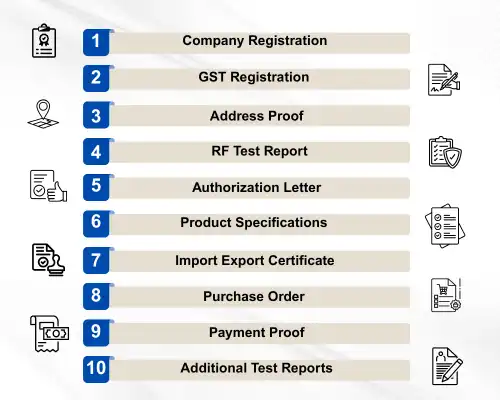
Key Documents Required:
- Company registration certificate (proof of legal business entity)
- GST registration certificate of the company
- Identity and address proof of the authorized signatory
- RF (Radio Frequency) test report from an ISO 17025 accredited foreign lab or NABL accredited Indian laboratory
- Authorization letter from the manufacturer (if applicable)
- Detailed product technical specifications
- Import Export Code (IEC) certificate (mandatory for importers)
- Purchase order or invoice (in case of imported products)
- Proof of payment of the government application fee
- Additional compliance test reports such as CE, RoHS, ASTM, or EN standards
Understanding RF (Radio Frequency) Test Report for WPC ETA Certification
An RF (Radio Frequency) Test Report is a technical document that verifies whether a wireless device operates within the permitted frequency range without causing interference to other devices. It is a mandatory requirement for WPC ETA certification in India.
RF testing ensures that the device uses the radio spectrum efficiently and complies with regulatory standards. This helps prevent signal interference between multiple wireless devices operating in the same environment.
The test report covers various wireless technologies such as Wi-Fi, Bluetooth, RFID, cellular devices, and other radio frequency-based products. Compliance with these standards is essential for legal approval and market entry.
To obtain an RF test report, manufacturers or importers must get their products tested from an NABL-accredited laboratory in India or an ILAC-recognized international lab. The report includes detailed technical parameters like frequency range, bandwidth, and transmission performance. For WPC ETA approval, the RF test report must be submitted to the WPC authority for evaluation. If a product contains multiple RF modules, separate test reports may be required for each module.
Products Under WPC ETA Certification
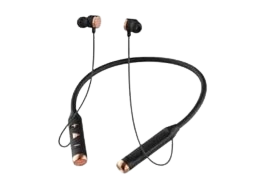
Bluetooth Earphone

Bluetooth Headphones
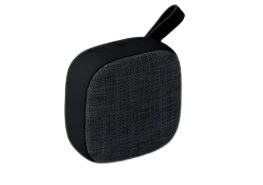
Bluetooth Speaker
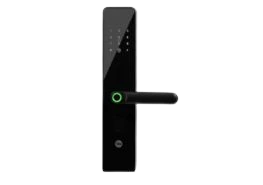
Digital Lock
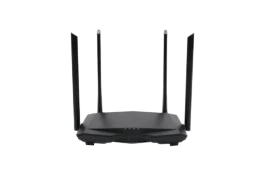
Gigabit Dual Band Wireless Router
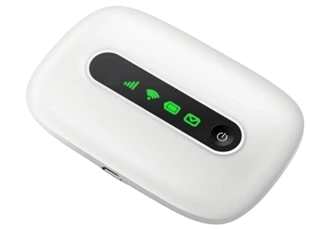
Hotspot Device
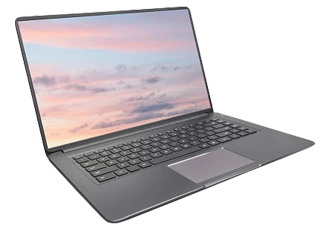
Laptop
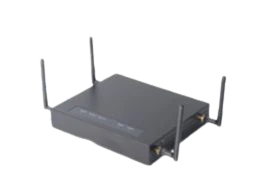
LoRaWAN Gateway
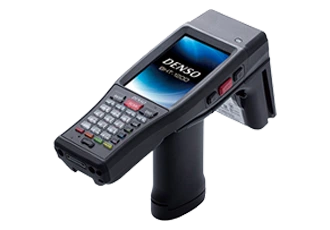
Radio Frequency Identification Tags and Readers
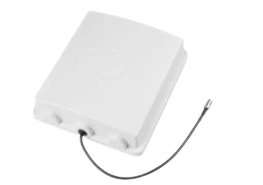
RFID Antenna
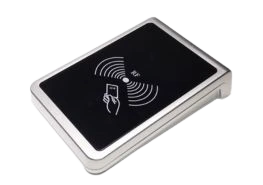
RFID Reader
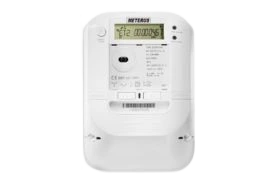
Smart Meter

Smartwatch
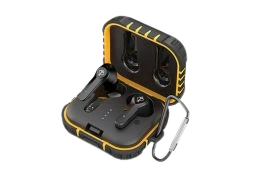
True Wireless Earphones
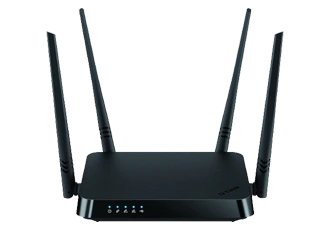
Wi-Fi Router
Water Meter
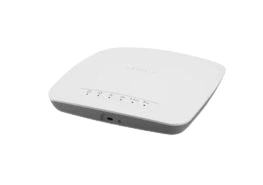
Wireless Access Point
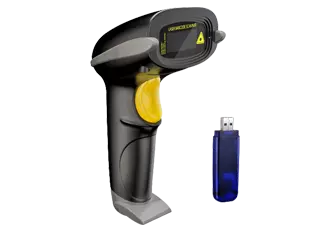
Wireless Barcode Scanner
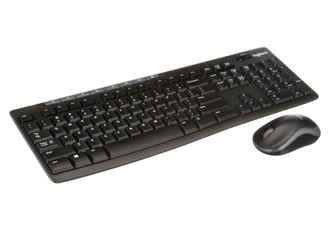
Wireless Keyboard

Wireless Microphone
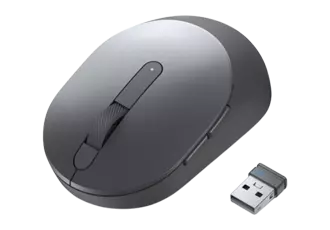
Wireless Mouse
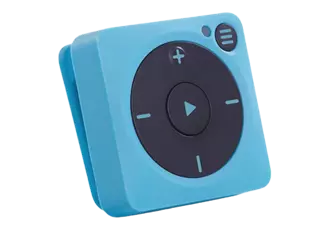
Wireless Music Players
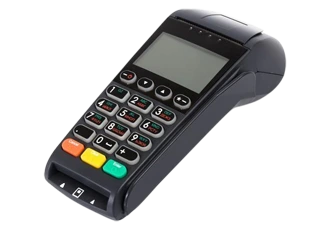
Wireless POS Terminal
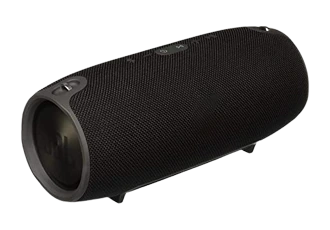
Wireless Speaker
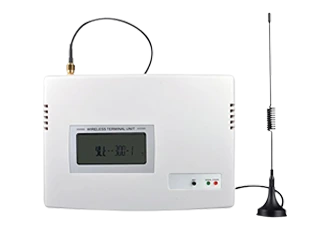
Wireless Terminals
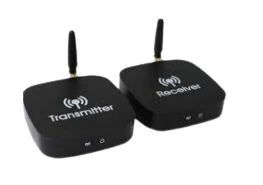
Wireless Transmitter and Receiver
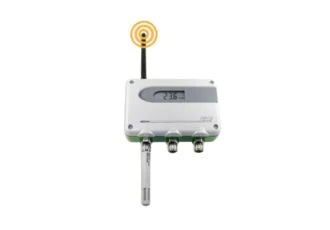
Wireless Transmitters
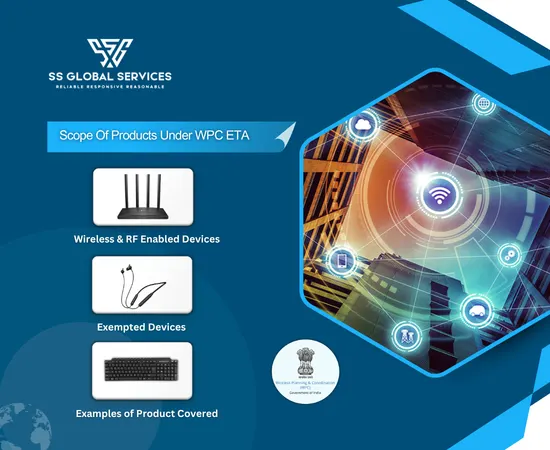
Scope of Products Covered Under WPC ETA Certification
- WPC ETA certification is mandatory for all wireless and radio frequency-enabled devices, including transmitters, transceivers, and certain receivers, before they can be introduced into the Indian market.
- However, devices that function only as receivers and do not transmit signals—such as GPS-only products—generally do not require WPC ETA approval.
- Products falling under WPC ETA scope include Bluetooth-enabled devices, wireless home appliances, car audio systems, RFID tags and readers, wireless medical equipment, laptops, mobile phones, wireless keyboards and mic, remote entry systems, headphones, earphones, music players, and other RF-enabled modules.
De-Licensed Frequency Bands Under WPC ETA
WPC ETA approval applies to specific de-licensed frequency bands defined by the Government of India. These bands are permitted for low-power wireless devices, provided they comply with prescribed technical limits and standards.
Below is the simplified and website-friendly representation of frequency bands and their applications:
| S.No | GSR No. | Date | Frequency Band | Power / Limit | Application | Standard |
|---|---|---|---|---|---|---|
| 1 | GSR 870(E) | 21.12.2021 | 9–30 kHz | 72 dBµA/m @10m | Inductive RF Devices | EN 300 330 |
| 2 | GSR 870(E) | 21.12.2021 | 90–119 kHz | 42 dBµA/m @10m | Inductive RF Devices | EN 300 330 |
| 3 | GSR 870(E) | 21.12.2021 | 119–135 kHz | 66 dBµA/m @10m | Inductive RF Devices | EN 300 330 |
| 4 | GSR 870(E) | 21.12.2021 | 135–140 kHz | 42 dBµA/m @10m | Inductive RF Devices | EN 300 330 |
| 5 | GSR 870(E) | 21.12.2021 | 140–148.5 kHz | 37.7 dBµA/m @10m | Inductive RF Devices | EN 300 330 |
| 6 | GSR 870(E) | 21.12.2021 | 3155–3400 kHz | 13.5 dBµA/m @10m | Inductive RF Devices | EN 300 330 |
| 7 | GSR 870(E) | 21.12.2021 | 148.5–5000 kHz | -15 dBµA/m @10m | Low Power RF Devices | EN 300 330 |
| 8 | GSR 870(E) | 21.12.2021 | 7400–8800 kHz | 9 dBµA/m @10m | Inductive RF Devices | EN 300 330 |
| 9 | GSR 870(E) | 21.12.2021 | 10200–11000 kHz | 9 dBµA/m @10m | Inductive RF Devices | EN 300 330 |
| 10 | GSR 870(E) | 21.12.2021 | 5000–30000 kHz | -20 dBµA/m @10m | Low Power RF Devices | EN 300 330 |
| 11 | GSR 1047(E) | 18.10.2018 | 6765–6795 kHz | 42 dBµA/m @10m | Inductive Devices | EN 300 330 |
| 12 | GSR 696(E) | 16.09.2015 | 36–38 MHz | 50 mW | Wireless Microphones | - |
| 13 | GSR 1047(E) | 18.10.2018 | 30–37.5 MHz | 1 mW | Medical Devices | EN 302 510 |
| 14 | GSR 1047(E) | 18.10.2018 | 87.5–108 MHz | 50 nW | Short Range Devices | EN 301 357 |
| 15 | GSR 1047(E) | 18.10.2018 | 169.4–169.475 MHz | 500 mW | Short Range Devices | EN 300 220 |
| 16 | GSR 1047(E) | 18.10.2018 | 169.4–169.4875 MHz | 10 mW | Short Range Devices | EN 300 220 |
| 17 | GSR 1047(E) | 18.10.2018 | 169.4–169.475 MHz (5875 MHz) | 10 mW | Short Range Devices | EN 300 220 |
| 18 | GSR 1047(E) | 18.10.2018 | 169.5875–169.8125 MHz | 10 mW | Short Range Devices | EN 300 220 |
| 19 | GSR 1047(E) | 18.10.2018 | 169.4–169.475 MHz | 500 mW | Assistive Listening Devices | EN 300 422 |
| 20 | GSR 1047(E) | 18.10.2018 | 169.4875–169.5875 MHz | 500 mW | Assistive Listening Devices | EN 300 422 |
| 21 | GSR 53(E) | 12.08.2005 | 335 MHz Band | 1 mW | Remote Control Systems | - |
| 22 | GSR 1047(E) | 18.10.2018 | 401–402 MHz | 25 µW | Medical Communication | EN 302 537 |
| 23 | GSR 673(E) | 23.09.2008 | 402–405 MHz | 25 µW | Medical Devices | - |
| 24 | GSR 1047(E) | 18.10.2018 | 405–406 MHz | 25 µW | Medical Communication | EN 302 537 |
| 25 | GSR 880(E) | 12.09.2012 | 433–434 MHz | 10 mW | Indoor RF Devices | - |
| 26 | GSR 696(E) | 16.09.2015 | 433–434.79 MHz | 10 mW | RFID Devices | - |
| 27 | GSR 1047(E) | 18.10.2018 | 446–446.2 MHz | 500 mW | Personal Mobile Radio | EN 300 113 |
| 28 | GSR 564(E) | 30.07.2008 | 865–867 MHz | 1W / 4W ERP | RFID Systems | - |
| 29 | GSR 1047(E) | 18.10.2018 | 2400–2483.5 MHz | 25 mW | Wi-Fi / Bluetooth | EN 300 440 |
| 30 | GSR 1047(E) | 18.10.2018 | 2400–2483.5 MHz | 10 mW | Short Range Devices | EN 300 440 |
| 31 | GSR 1047(E) | 18.10.2018 | 2446–2454 MHz | 500 mW | RFID Devices | EN 300 440 |
| 32 | GSR 1047(E) | 18.10.2018 | 2483.5–2500 MHz | 10 mW | Medical Devices | EN 301 559 |
| 33 | GSR 1048(E) | 18.10.2018 | 5150–5250 MHz | As per norms | Wi-Fi (5 GHz) | - |
| 34 | GSR 1048(E) | 18.10.2018 | 5250–5350 MHz | As per norms | Wireless LAN | - |
| 35 | GSR 1048(E) | 18.10.2018 | 5470–5725 MHz | As per norms | Wi-Fi Systems | - |
| 36 | GSR 1047(E) | 18.10.2018 | 5725–5875 MHz | 25 mW | Short Range Devices | EN 300 440 |
| 37 | GSR 1047(E) | 18.10.2018 | 24.05–24.25 GHz | 100 mW | Radar / Telematics | EN 302 858 |
| 38 | GSR 1047(E) | 18.10.2018 | 24.075–24.15 GHz | 100 mW | Automotive Radar | EN 302 858 |
| 39 | GSR 1047(E) | 18.10.2018 | 24.15–24.25 GHz | 100 mW | RF Devices | EN 302 858 |
| 40 | GSR 1047(E) | 18.10.2018 | 24.25–24.5 GHz | Up to 20 dBm | Automotive Radar | EN 302 858 |
| 41 | GSR 1047(E) | 18.10.2018 | 61–61.5 GHz | 100 mW | Short Range Devices | EN 305 550 |
| 42 | GSR 689(E) | 16.09.2015 | 76–77 GHz | 5W | Automotive Radar | - |
| 43 | GSR 1046(E) | 18.10.2018 | 1–6.106 GHz | As per norms | UWB Devices | EN 302 065 |
Why This Matters for Your Business
Understanding these frequency bands is essential before applying for WPC ETA certification. Your product must operate within the permitted range and comply with technical standards to avoid rejection or delays.
At SS Global Services, we help you identify the correct frequency band, verify RF compliance, and ensure smooth WPC ETA approval for your products.
How SS Global Services Simplifies WPC ETA Approval Process
To obtain WPC ETA approval in India, applicants must first secure an RF (Radio Frequency) test report from a recognized and accredited laboratory for devices operating in de-licensed frequency bands. This report verifies that the product complies with permitted frequency limits and technical standards. Once the report is prepared, it is submitted to the WPC authority along with the required documents for evaluation and certification.
For businesses planning to import or manufacture wireless products, WPC ETA approval and, where applicable, an import licence are essential for legal market entry. At SS Global Services, we provide complete end-to-end assistance, including RF testing support, documentation, and application filing. Our expert team ensures a smooth, fast, and hassle-free approval process, helping your products reach the Indian market without delays.
-
WPC ETA Certification Expertise:
With 12+ years of experience, we specialize in WPC ETA approval for wireless and RF-enabled devices. Our team ensures compliance with de-licensed frequency bands and Indian regulatory standards.
-
End-to-End Documentation Support:
From RF test report verification to document preparation and application filing, we handle the complete WPC ETA certification process for manufacturers and importers.
-
Trusted Compliance Partner:
We are trusted by Indian and international brands for reliable WPC ETA consultancy. Our transparent and structured approach ensures smooth approval without confusion.
-
Fast & Hassle-Free Approval:
Our experts ensure accurate documentation and coordination with authorities, reducing delays and enabling faster WPC ETA certification for your products.
-
Complete RF Testing Assistance:
We assist in obtaining RF test reports from recognized labs, ensuring your product meets frequency and technical requirements before submission to WPC.
-
Market Access & Legal Compliance:
With our WPC ETA support, your wireless products can be legally sold in India. We help you avoid penalties, ensure compliance, and build strong market credibility.
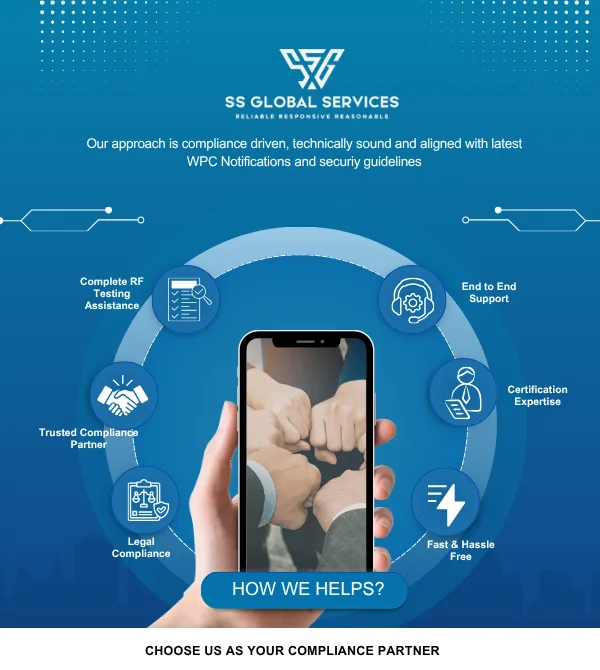
At SS Global Services, we make WPC ETA certification simple and hassle-free. Our team manages RF testing coordination, documentation, and application filing to ensure quick and accurate approvals.
With our expert support, manufacturers and importers can achieve WPC ETA approval smoothly, ensuring their wireless products comply with Indian regulations and enter the market without delays.
Talk to WPC ETA Experts TodayFrequently Asked Questions (FAQs) – WPC ETA Approval
Our Top Services
At SS Global Services, we offer a complete range of certification and compliance services tailored to meet the needs of manufacturers, importers, and brand owners. From BIS and BEE certifications to EPR, WPC, TEC, and LMPC registrations, our expert-led process ensures fast approvals, minimal delays, and full legal compliance. Our top services are trusted by startups and global enterprises alike for their accuracy, reliability, and support at every step.

Get BEE Registration for appliances with expert support. Ensure energy label compliance in India.
Fast BIS CRS Registration for electronics. Ensure product quality, compliance.
Get EPR Registration for E-Waste in India. Fulfill CPCB norms & stay compliant with waste regulations.

Apply for Plastic Waste EPR Registration easily. Meet SPCB/CPCB norms and plastic recycling rules.
Comply with Battery Waste Management Rules. Get EPR Registration for lithium, lead, and used batteries.
Effortless EPR for End-of-Life Tyres. Ensure MoEFCC compliance and receive CPCB authorization.

Get WPC ETA Approval for wireless devices. Import legally and quickly meet India's RF device norms.
Ensure compliance under the BIS Scheme-X Certification. Get expert guidance for product safety approvals.
Obtain TEC/MTCTE Approval for telecom products. Fast testing and certification under DoT norms.
Get TAC & IMEI Registration with our support. Ensure mobile device compliance with Indian telecom law.
Apply for EPR Authorization for Used Oil. Ensure environmentally compliant collection, recycling, and safe disposal.